Inside Kilmainham Gaol Tickets History
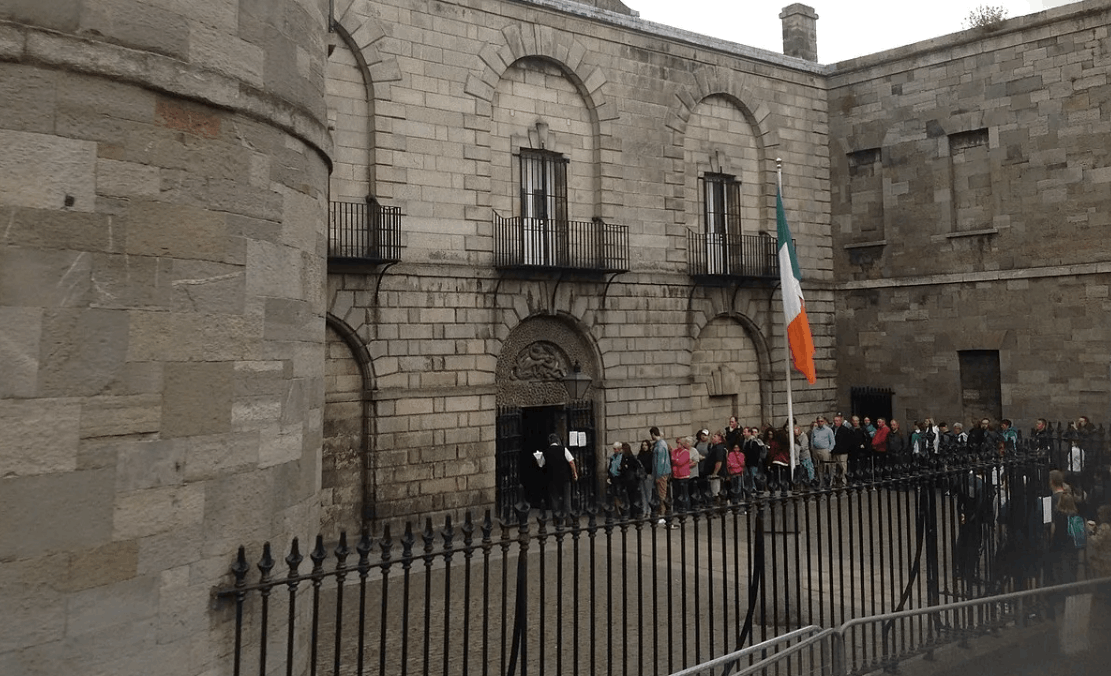
Peering inside Kilmainham Gaol tickets history transports you to the epicenter of Ireland's fight for sovereignty, where simple entry passes unlock a chronicle of captivity and courage spanning over a century. Erected in 1796 on Dublin's outskirts, this limestone fortress embodied Enlightenment penal reforms with its radial wings promoting solitary reflection, yet swiftly became a forge for rebellion. Holding Kilmainham Gaol Museum tickets means holding a thread to this tapestry, woven from the lives of thousands—from vagrants to visionaries—whose ordeals scripted the nation's birth pangs.
The foundational layers of Kilmainham Gaol tickets history root in late 18th-century optimism, designed by architect Duncan Ray as a model prison amid post-1798 United Irishmen crackdowns. Early inmates endured the "separate system," hooded during exercise to prevent communication, a method crumbling by 1820s overcrowding that packed cells with famine refugees. Inside these confines, whispers of resistance brewed; Robert Emmet's 1803 trial and hanging just outside ignited folklore, his cell now a shrine viewable with your ticket, walls echoing his plea for future vindication.
Delving inside Kilmainham Gaol tickets history reveals Victorian cruelties peaking in the 1840s Great Hunger, when the gaol swelled to 9,000 souls yearly, its infirmary a grim reaper amid typhus. Public executions drew morbid crowds until 1860s reforms shifted hangings indoors, the East Wing's trapdoor site of over 130 drops. Tickets illuminate artifacts like original leg irons, heavy burdens symbolizing imperial yoke, while guides recount Maamtrasna case—1882 miscarriages where Connemara men, Irish monoglot, faced English courts and nooses unjustly.
Revolutionary fire dominates inside Kilmainham Gaol tickets history from 1916 Easter Rising onward, when Proclamation signatories like Thomas Clarke and Thomas MacDonagh filled cells post-arrest. Inside the stone chapel, they heard last masses; your ticket positions you at the altar where Grace Gifford wed Joseph Plunkett hours before his yard execution. Fifteen leaders perished there May 3-12, bullets shattering silence, their blood consecrating independence dreams amid World War I distractions.
Civil War fractures deepen inside Kilmainham Gaol tickets history post-1922 Treaty, reopening the gaol for anti-treaty IRA prisoners including Erskine Childers, executed 1924 on forged pistol charges. Women like Mary McSwiney endured hunger strikes, their quarters revealing suffrage intersections. Closure came abruptly that year, amid public outcry, transforming it into a museum by 1966 through Kilmainham Gaol Committee labors, preserving interiors against decay.
Restoration narratives enrich inside Kilmainham Gaol tickets history, with 1970s limewashing reviving authentic pallor, volunteers scraping layers to expose prisoner art—crosses, poems in Ogham. Tickets fund these efforts, showcasing hospital wing where Collins' men plotted amid 1920s internment. Digital archives now digitize letters, extending history's reach beyond physical walls.
Personal stories humanize inside Kilmainham Gaol tickets history: young Willie Cosgrave, future Taoiseach, survived 1916 cell fever; Countess Markievicz, spared execution for gender, led from here. Famine orphans apprenticed post-1850s, threads of survival amid despair. Tours with tickets evoke these voices through recreated sounds—clanging doors, muffled chants—bridging eras.
Modern resonance pulses inside Kilmainham Gaol tickets history, inspiring global penal reforms and heritage tourism. Annual commemorations pack yards, tickets essential for poignant vigils. As Brexit shadows partition scars, the gaol reminds of unity's fragility.
Grasping inside Kilmainham Gaol tickets history demands surrender to its gravity, from panopticon gaze to firing squad echoes. Each corridor, cell, yard layer builds a monument to endurance, ensuring tickets not just grant entry but ignite eternal dialogue with Ireland's defiant past.